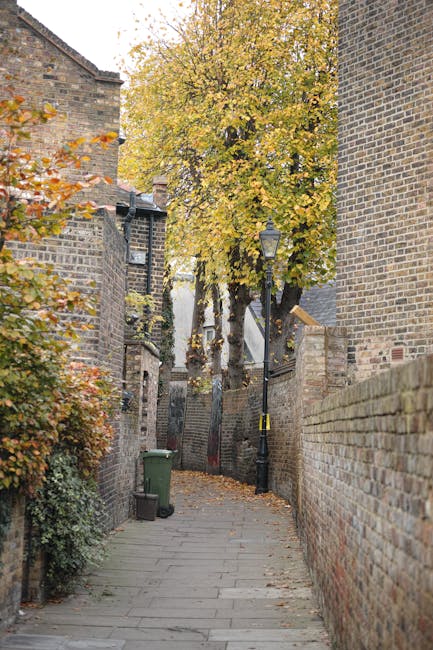
Walthamstow Village man with a van tips for tight streets

Moving in Walthamstow Village sounds simple enough until you meet the reality: narrow lanes, parked cars on both sides, awkward turning points, and that one corner where a van suddenly feels twice its size. If you are planning a move here, good Walthamstow Village man with a van tips for tight streets can save time, reduce stress, and prevent the kind of awkward shuffling that turns a small job into a long morning. Truth be told, a smart move in a tight area is rarely about brute force. It is about timing, positioning, and knowing when a smaller vehicle or a better loading plan will do the job beautifully.
This guide breaks down how to plan a move in the village, what to ask before you book, how to avoid common street-level headaches, and why the right preparation matters more here than in a wide-open suburban road. If you want the practical version, you are in the right place.
Why Walthamstow Village man with a van tips for tight streets Matters
Walthamstow Village has a very particular feel to it. It is characterful, residential, and often lovely to live in, but that charm can come with tight access. A removal van that seems perfectly manageable on paper can become a bit of a puzzle when you arrive and realise the street is already busy, a neighbour's car is sitting across part of the frontage, and the turning space is nowhere near generous.
That is why local moving advice matters. In tighter streets, even small decisions have big consequences. Where the van stops, which side the property is on, how far the crew has to carry furniture, and whether you have planned for a quick load rather than a stop-start shuffle all affect the move. The difference between a smooth job and a frustrating one can be five minutes of planning. Sometimes less.
It also matters for courtesy. Narrow roads are shared spaces, and a poorly positioned van can block neighbours, slow traffic, or create a bit of tension you really do not need on moving day. A respectful approach keeps things calmer for everyone, which is honestly half the battle in a place like this.
Expert takeaway: In tight streets, the winning move is usually not "fit a bigger van in somehow." It is "choose the right vehicle, arrive prepared, and make the loading path as short and clean as possible."
How Walthamstow Village man with a van tips for tight streets Works
A man and van service is generally ideal for smaller moves, partial loads, student furniture, flat contents, single-item transport, and quick relocations where a full-size removal truck would be unnecessary. In a tight-street setting, the process works best when the job is treated like a sequence of small, deliberate steps rather than a one-size-fits-all moving day.
First, the access is assessed. That might mean checking whether the van can park close to the entrance, whether a short walk is possible, and whether any bends, bollards, low branches, or parked cars might limit access. Then comes load planning. Heavy items go in first, fragile items are protected, and everything is stacked to reduce shifting while the van is moving through stop-start London traffic. Simple enough, but it makes a real difference.
For Walthamstow Village, the best results usually come from a smaller or medium-sized man with a van or removal van rather than a larger moving truck. That is not a hard rule, of course. Some moves still need more capacity. But if access is tight, the van size and the loading approach need to match the street first, not the other way around.
In practical terms, the service works best when you treat the street like part of the job, not just a backdrop.
Key Benefits and Practical Advantages
A well-planned man with a van move in tight streets offers more than convenience. It can genuinely reduce the overall hassle of moving day.
- Shorter carry distances: Parking near the door can save a surprising amount of time and energy.
- Less risk of damage: Fewer handovers and less twisting through narrow gaps means fewer knocks to furniture and walls.
- Better timing: A smaller, more agile vehicle is often easier to position quickly when access is limited.
- Lower stress: You are not trying to force a large vehicle into a road that clearly does not want one.
- More flexibility: Good crews can adjust the loading order, parking plan, and route on the fly.
There is also a budget angle. If you only need a modest amount of space, hiring a vehicle that suits the actual job can be more sensible than paying for unnecessary capacity. For many customers, the sweet spot is a tidy, efficient move that is quick enough to feel almost uneventful. And, let's face it, uneventful is a lovely word on moving day.
| Approach | Best for | Strength in tight streets | Possible downside |
|---|---|---|---|
| Small man and van | Single rooms, boxes, smaller furniture | Very good manoeuvrability | Limited load space |
| Medium removal van | Typical flat or small home move | Balanced capacity and access | May still struggle on the tightest corners |
| Large moving truck | Full house moves, bigger consignments | Good if access is straightforward | Harder to park and turn in narrow streets |
Who This Is For and When It Makes Sense
This kind of move is a strong fit for anyone dealing with awkward access, limited parking, or a smaller load. If you live in a terraced property, a converted flat, or a home on one of the tighter roads around Walthamstow Village, you will know the feeling already: one poorly chosen vehicle and suddenly everyone is doing that apologetic shuffle with bin bags and doorways.
It makes sense if you are moving:
- a studio or one-bedroom flat
- a few large furniture items
- boxes and household contents after decluttering
- office items from a small workspace
- an online marketplace sale or furniture collection
- the contents of a single room while redecorating or downsizing
It is also useful when timing is tight. Maybe you have a key handover, a narrow window for access, or a family member helping and you want everything done before school pick-up. In those cases, a tidy man and van setup can be far more practical than a more complex removal arrangement.
For larger or more involved jobs, a broader service such as removal services or home moves may be a better fit. The point is not to oversell the smaller option. The point is to match the move to the street.
Step-by-Step Guidance
Here is a practical way to handle a move in a tight Walthamstow Village street without turning it into a day-long juggling act.
- Measure what you are moving. Do a rough room-by-room count. Big items matter more than box count, so note wardrobes, sofas, mattresses, tables, and appliances.
- Check access outside the property. Look for parked cars, low walls, narrow bends, one-way sections, and any awkward kerb space. If possible, stand outside at the time of day you plan to move. Traffic patterns change, and sometimes by 8:30am the street feels very different from 10:30am.
- Choose the right vehicle size. A compact or medium van often suits tighter streets better than a larger option. If you are unsure, ask for a recommendation based on the load and access.
- Plan the loading order. Put the largest, heaviest items in first. Secure them properly. Then fill gaps with sturdy boxes and softer items. This helps prevent shifting during the drive.
- Reserve space where you can. If parking is difficult, think in terms of a workable stopping point rather than the perfect spot. Sometimes two minutes closer to the door is worth far more than a "good" park half a street away.
- Protect doorways and corners. A blanket, cardboard corner guard, or simple floor covering can prevent scuffs in tight hallways.
- Keep a clear path. Move shoes, bins, prams, and loose clutter out of the route before the crew arrives. It sounds basic. It makes a huge difference.
- Communicate any awkward details early. Mention steep steps, low ceilings, shared entrances, or fragile items. The earlier someone knows, the better they can plan.
If your move involves special handling, such as a heavy sofa through a twisting hallway or a mix of furniture and boxed belongings, consider whether you also need packing and unpacking services. Sometimes the smartest move is not just better transport, but better preparation.
Expert Tips for Better Results
After enough moving days, a few things become clear. The same issues pop up again and again, especially in tight residential streets.
Tip 1: move the car if you can. If you or a neighbour can temporarily move a car, scooter, or bike that is blocking access, do it early. It can unlock a much better loading position. One small gap can change the whole job.
Tip 2: break the move into zones. Pack the front room separately from the bedroom, and keep clearly labelled boxes together. In narrow homes, mixed piles create confusion at the worst possible time.
Tip 3: avoid overfilling boxes. Heavy, overstuffed boxes are harder to carry through tight doorways. They wobble, split, and generally act like they have a vendetta.
Tip 4: think about the return journey. If you are making multiple trips, ask whether the route back will be just as manageable. A street that feels manageable going in can be awkward coming out once cars have shifted.
Tip 5: protect your hands and your back. Good lifting technique matters. Keep loads close, avoid twisting, and ask for help with bulky items. No heroics needed.
Tip 6: keep a small essentials bag aside. Kettle lead, chargers, medication, keys, documents, snacks, a bottle of water. You do not want to be rummaging through seven boxes looking for the one thing you need at 9pm.
A little humour helps too. If you can laugh when a sofa swivels through a doorway by a whisker, the rest of the day usually feels easier.
Common Mistakes to Avoid
The biggest mistakes in tight-street moves are usually easy to avoid once you know what to look for.
- Booking a van that is too large: Bigger is not always better. In fact, a large vehicle can slow everything down if access is poor.
- Underestimating carry distance: A "short walk" can become a long one when the van cannot stop near the front door.
- Leaving packing until the last minute: Rush packing creates weak boxes, missing labels, and unnecessary stress.
- Not mentioning stairs or access issues: Crews can plan for awkward layouts, but only if they know about them.
- Ignoring timing: Busy streets, school runs, and commuter traffic can all affect access.
- Forgetting neighbour impact: A polite heads-up can prevent unnecessary tension, especially where parking is precious.
Another subtle mistake is assuming every moving company approaches the job in the same way. They do not. Some are excellent at compact local jobs, others are better suited to larger loads or longer-distance work. If you are comparing options, a service like removal company may be worth considering for more structured moves, while man with van removal can work well for smaller, tighter jobs.
Tools, Resources and Recommendations
You do not need fancy gear to make a tight-street move work, but a few simple items and sensible habits can help a lot.
- Furniture blankets: Useful for protecting corners, polished surfaces, and narrow hallways.
- Straps or ties: Help secure items inside the van so they do not shift while cornering or braking.
- Tough boxes: Choose good-quality boxes that will keep their shape when stacked.
- Labels and marker pens: Clear labelling saves time. Front room, kitchen, fragile, upstairs, keep upright - all very handy.
- Gloves and sturdy shoes: Small things, but they matter when lifting through uneven pavements or close kerbs.
- Phone notes or a simple inventory: A basic list of items helps you remember what is going where.
For customers who want a bit more support, movers with the right local experience can make a real difference. And if your move is part of a larger life change - house, flat, or workspace - it may be worth looking at house removals or office removals depending on the scope.
One more practical note: if you are getting rid of items during the move, a thoughtful approach to reuse and disposal is usually best. Some customers combine the job with furniture pick up or plan around recycling and sustainability so the move clears space without creating avoidable waste.
Law, Compliance, Standards, or Best Practice
For local moves like this, the main compliance concerns are practical rather than dramatic. You are looking at safe loading, sensible parking, courtesy to neighbours, and making sure the vehicle and driver are operating responsibly.
In the UK, moving work should be carried out with appropriate care for health and safety. That usually means secure loading, safe lifting methods, and attention to access risks such as wet paths, steps, and uneven surfaces. Insurance is also worth checking. If anything goes wrong, you want reassurance that the service has thought about protection, not just speed. Pages such as insurance and safety and health and safety policy are good places to understand how a provider handles these responsibilities.
Best practice also means honesty about what can realistically be done on the street. If access is restricted, a trustworthy operator should say so clearly, suggest alternatives, and avoid overpromising. That kind of candour matters more than flashy claims. A move should feel controlled, not improvised.
There are also business standards around payment clarity, fair terms, and data handling. Before booking, it is sensible to review pricing and quotes, payment and security, terms and conditions, and privacy policy. Not glamorous, perhaps, but very useful.
Options, Methods, or Comparison Table
If you are deciding how to handle a move in a tight street, the choice usually comes down to vehicle size, level of service, and the amount of hands-on help you want.
| Option | Best used when | Pros | Cons |
|---|---|---|---|
| Man with a van | You have a modest load and awkward street access | Agile, cost-conscious, quick to load | Less space for larger household moves |
| Removal van | You need a bit more room but still want manageable access | Balanced capacity, practical for flats and small homes | Still needs decent parking space |
| Moving truck | The job is bigger and the road access is straightforward | High capacity, fewer trips | Can be awkward in narrow residential streets |
| Full removals service | You want more support with packing, lifting, and coordination | More structured and less hands-on for you | Usually more involved than a simple local move |
The best option depends on access first, not just volume. That sounds obvious, but people forget it all the time. A half-full giant van that cannot park close to the house can be less efficient than a smaller van with a better stopping point.
Case Study or Real-World Example
Here is a realistic example based on the kinds of moves people often need in Walthamstow Village.
A couple moving from a one-bedroom flat needed to transport a sofa, bed frame, mattress, dining table, six boxes of kitchen items, and several bags of clothes. At first glance, they thought they needed a larger van because of the sofa. But the street was narrow, parking was tight, and there was only a short loading window before traffic built up.
Instead of using a larger vehicle, the move was planned around a compact-to-medium van with a cleaner loading order. Heavy furniture went in first. Boxes were grouped by room. Fragile items were packed separately and placed higher up, away from pressure points. The van stopped as close as possible to the entrance, and the carry route was kept clear before arrival. Simple, really - but that simplicity was the result of good planning.
The result was a calmer move with fewer trips, less back-and-forth in the street, and no need for anyone to stand in the road looking apologetic while trying to reverse a vehicle into a space that was never quite going to work. That last bit alone is worth avoiding.
Practical Checklist
Use this checklist before moving day. It is short, but it covers the details that usually make the difference.
- Confirm the load size and likely van type
- Check the street for parking, turning space, and height restrictions
- Decide which items are going first
- Pack heavy items in smaller, manageable boxes
- Label fragile and essential items clearly
- Clear the hallway, doorway, and staircase
- Move cars, bikes, bins, and loose clutter if possible
- Tell the mover about stairs, narrow entrances, or shared access
- Keep keys, documents, chargers, and essentials close by
- Check the provider's safety, pricing, and payment information beforehand
If you are moving a business load or a mixed office setup, you may also want to think about commercial moves or office relocation services. The same access logic applies. Possibly even more so, because office equipment has a strange talent for being both awkward and expensive-looking.
Get a free quote today and see how much you can save.
Conclusion
Moving in Walthamstow Village does not have to be a headache, even if the streets are tight and the parking feels like a daily contest. With the right van size, a sensible loading plan, and a bit of local awareness, you can make the whole process smoother, safer, and less stressful. That is really what good moving advice is about: not perfection, just enough preparation to remove the friction.
Whether you are moving a single room, a flat, or a larger household load, the key is to think about access as carefully as you think about the furniture. If you do that, you are already ahead of most people. And on moving day, being ahead by a little can feel like being miles ahead.
Take your time, plan the street before the boxes, and let the move work with the village rather than against it.
Frequently Asked Questions
What is the best van size for tight streets in Walthamstow Village?
Usually a small or medium van is the safer choice, especially if parking is limited or the road is narrow. The best size depends on both the load and the access, not just how much you are moving.
Can a man with a van handle a full flat move in a narrow street?
Yes, often it can, provided the load is planned carefully and the van can stop close enough to the property. For larger flats, a removal van or fuller removals service may be more practical.
How do I know if my street is too tight for a larger vehicle?
If parked cars, bends, or limited turning space make it hard for a normal car to pass comfortably, a large vehicle may be risky. A quick visual check at the time of day you plan to move is very helpful.
Should I pack everything before the mover arrives?
Yes, ideally. Fully packed, clearly labelled boxes keep the move moving. Half-packed rooms usually create delays, confusion, and more carrying than necessary.
What should I tell the mover in advance?
Tell them about stairs, shared entrances, narrow paths, parking limits, fragile items, heavy furniture, and any timing restrictions. The more honest the brief, the smoother the day.
Is it better to use a man and van or a larger removals service?
For smaller loads and awkward access, a man and van is often the better fit. For bigger households or moves needing more handling, a removals service can be the smarter option.
How can I reduce the risk of damage in narrow hallways?
Clear the route, use furniture protection, carry one item at a time where needed, and avoid overloading boxes. Small care steps matter a lot in tight spaces.
Do I need to worry about parking or permits?
You should always check parking conditions before the move. Local restrictions and street layout can affect where the van can stop, even for a short time. It is worth sorting that out early.
Can I move furniture and rubbish in the same trip?
Sometimes, yes, but it depends on what is being moved and how it is loaded. If you are disposing of items, it is often better to separate reusable furniture from waste so everything is handled properly.
What if the van cannot park right outside the door?
Then the move needs to be planned around a realistic carry distance. Good preparation, clear access, and sensible packing can still make the job efficient, even if the van stops a little further away.
How far in advance should I book a local move?
As early as you can, especially if your move is happening on a weekend, at month-end, or during a busy period. Tight streets make last-minute coordination harder than usual.
What is the most common mistake people make in Walthamstow Village moves?
Booking a vehicle that is too large for the street. It sounds harmless until the van arrives and parking becomes the whole story. Matching the vehicle to the access is usually the biggest win.